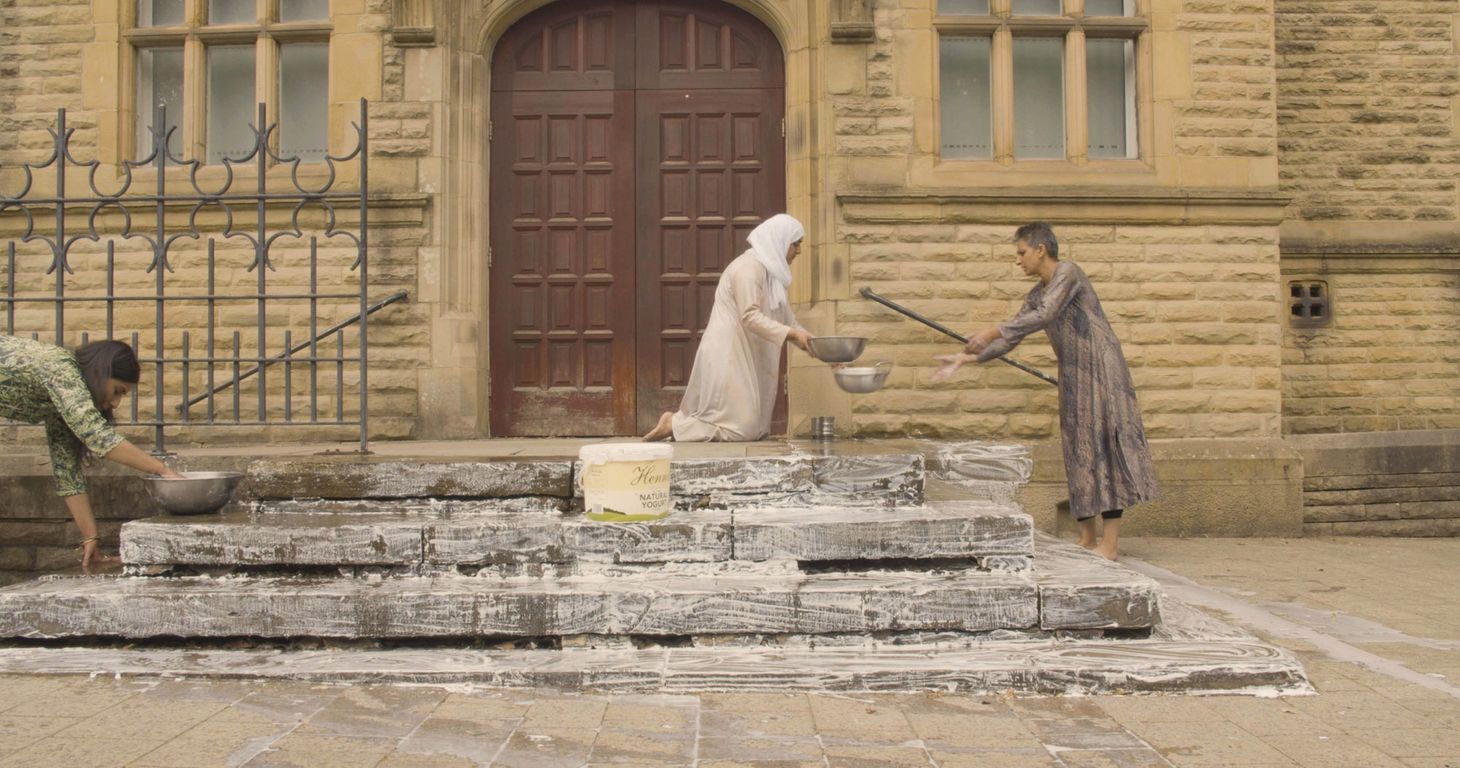
Jasleen Kaur, Gut Feelings Meri Jaan, film still (detail), 2021, in collaboration with UP Projects and Touchstones Rochdale.
Gut Feelings Meri Jaan x Boomerang
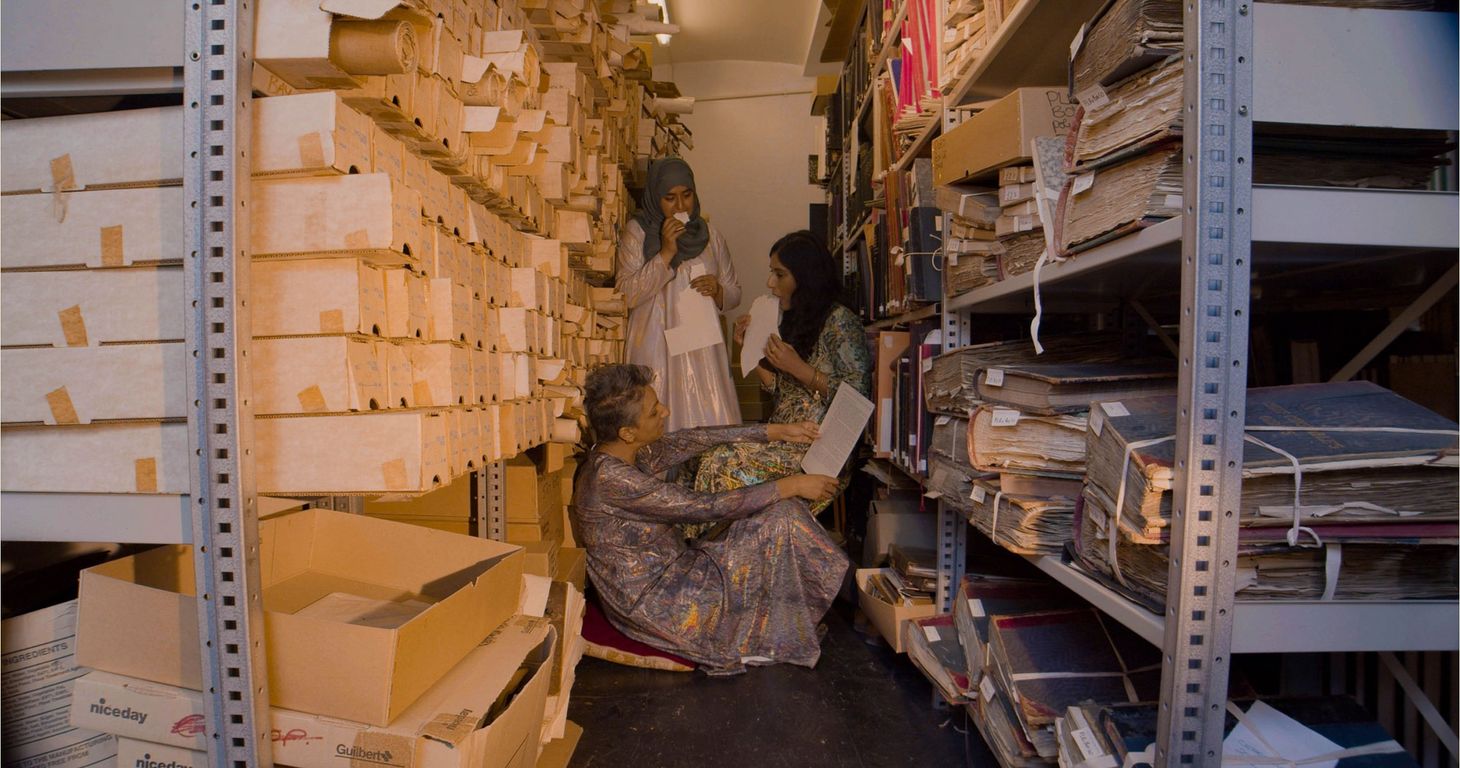
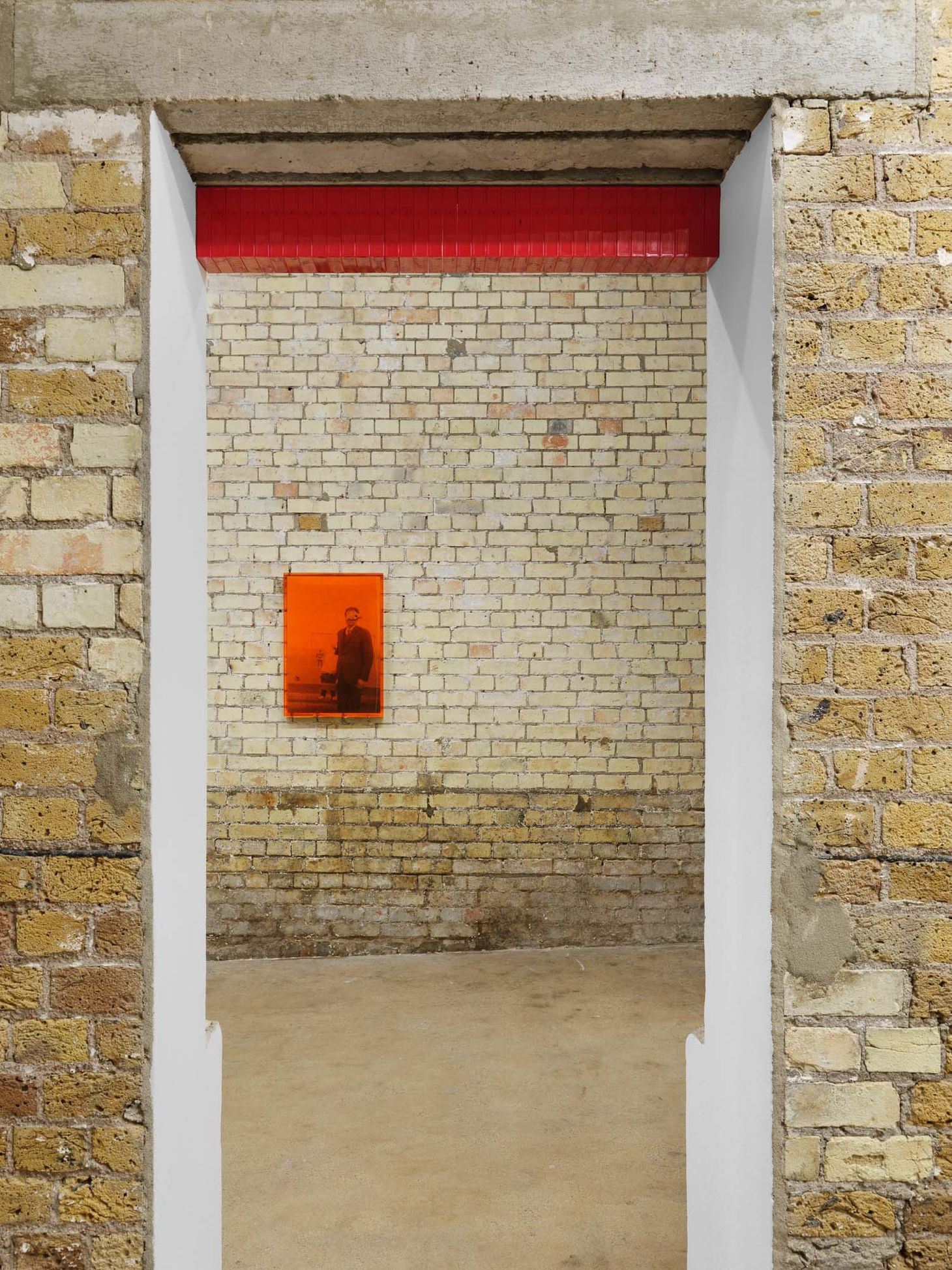
Jasleen Kaur’s works serve as generationally significant annotations to the hybrid history of migrants, remixing in equal measure ideas, objects, and aspirations pre- and post-colonial. The two series featured in our Proximity portfolio are Gut Feelings Meri Jaan (2021) and Boomerang (2025). Gut Feelings Meri Jaan casts the residents of Rochdale in dreamlike acts of intervention in local history. Boomerang adorns the interiors of Hollybush Gardens, splicing neon-toned domestic memory into the spare brick and plaster of the gallery space. Though four years apart, these two works speak to each other through their radical enforcement of the hypothetical: mass-manufactured objects, personal and public archives, and the invisible hand that holds them all posit the potential of now. Below, Preti Taneja, coeditor of the Proximity portfolio, responds.
Land in Our Names by Preti Taneja
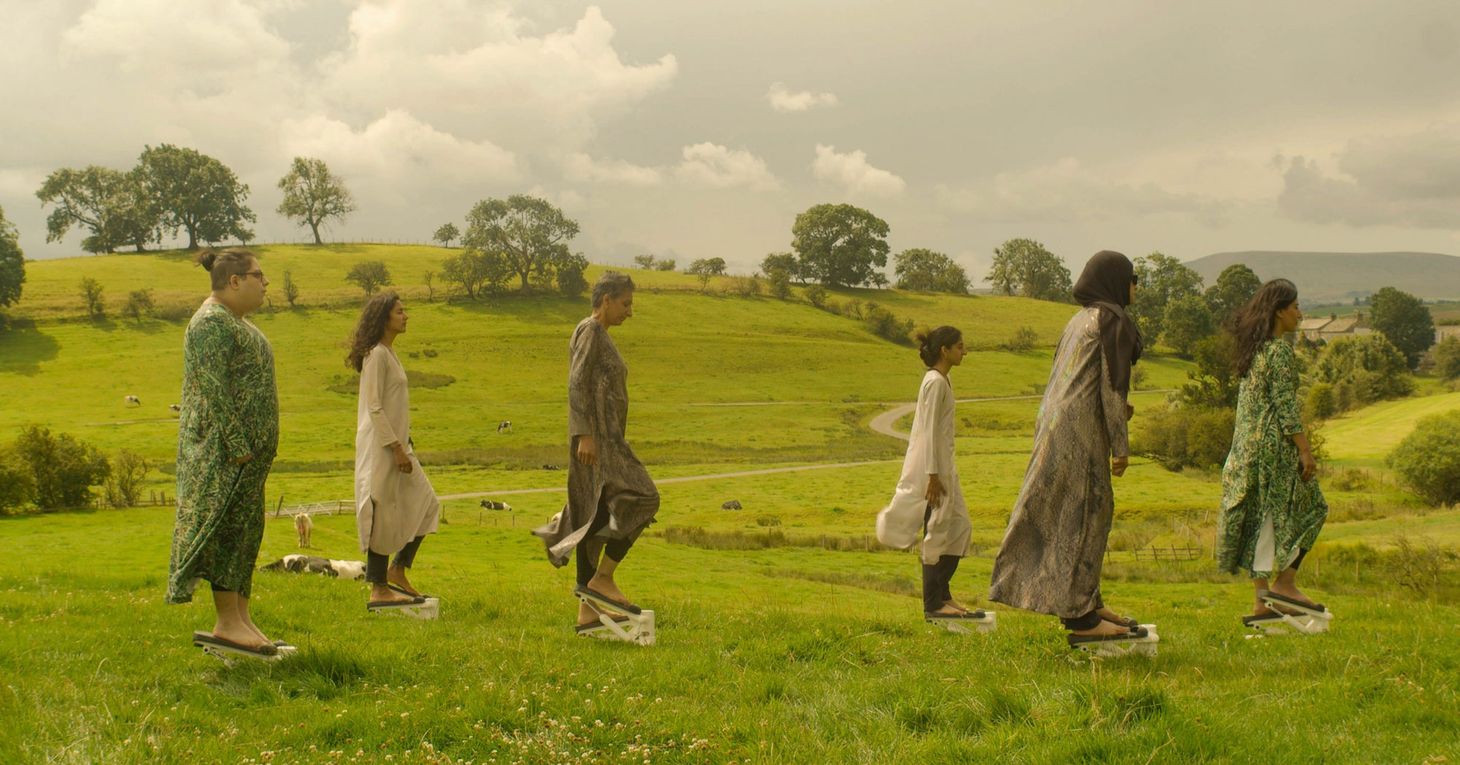
Jasleen Kaur makes me unable to unsee myself. Where before I looked out onto a view of the Northumberland hills (that meet the Scottish border) and wondered how I got here, now I see women I recognise in salwar kameez, stepping like ancients across that landscape, preserved in a photograph for all time. Not moving, but stepping. As if mashing the land, or operating some hidden machinery running under the surface of the land, to make that land grow. Their stance is tall, their gaze forward. Claiming, being, and belonging: for me, the shock of the image comes from the recognition that of course we were always here. Invisible before, made to disappear to the point of disappearing ourselves, now there is photographic evidence: gut feelings, made visible.
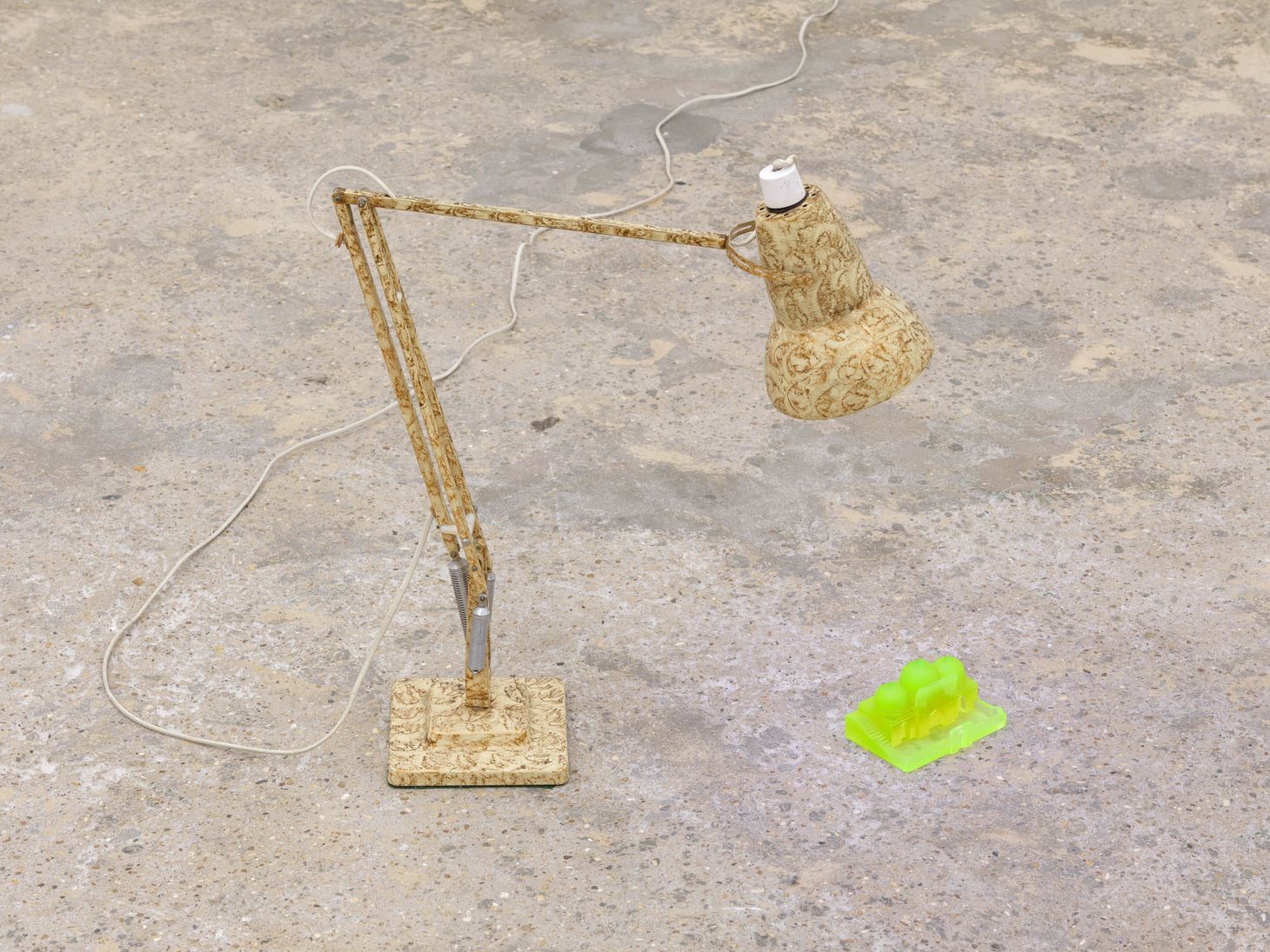
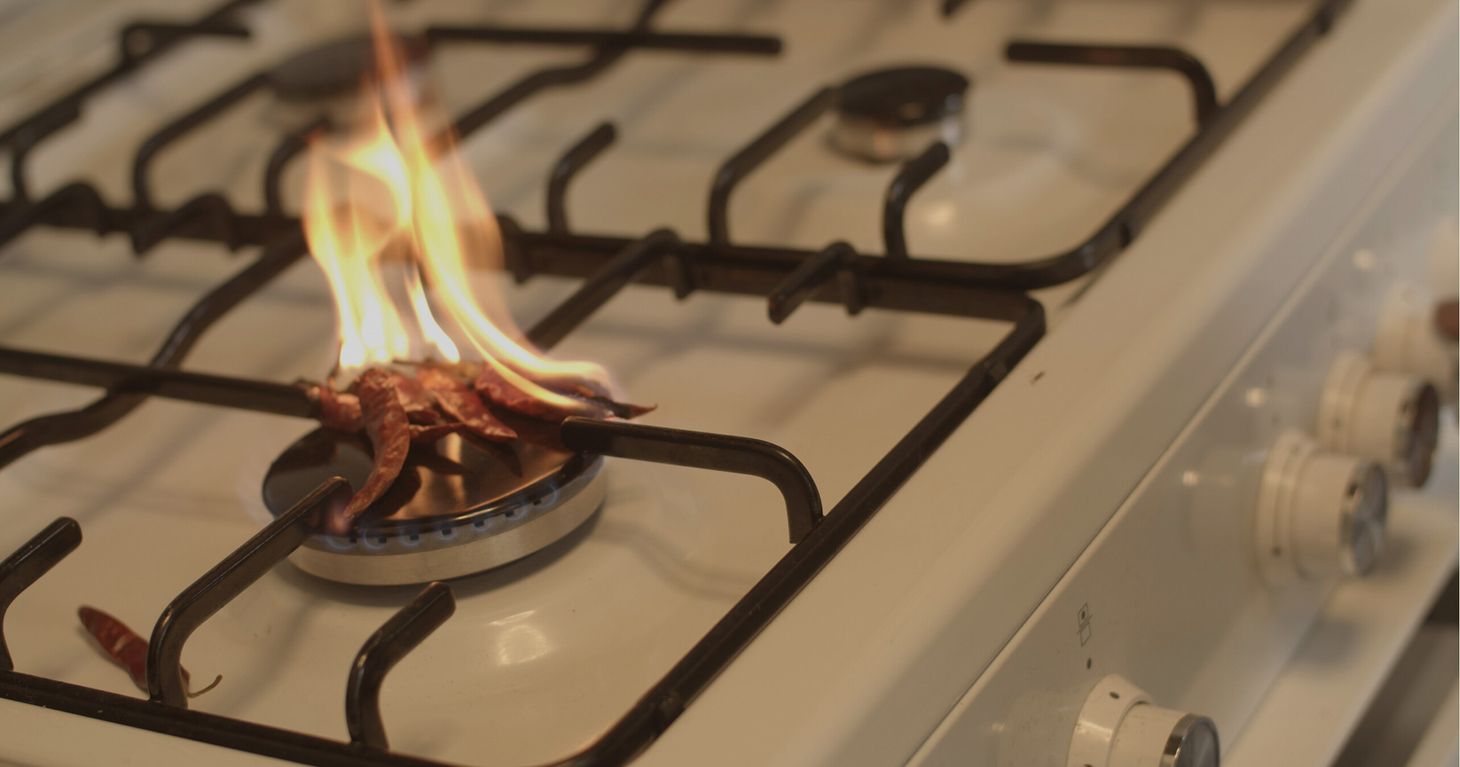
Jasleen’s work is a nonverbal answer to the truths that many would rather have remain unspoken. In any conversation about nationhood, about colonialism and its harms, about its migrations, her work states that the question of who makes a country in the material sense, as well as the spiritual and the narrative sense, cannot be ignored. Whether it’s in as small a form as a tiny maquette of the Babri Masjid—the 16th-century mosque demolished by Hindu nationalists in an act of violence against India’s Muslims in 1992—now remade in uranium glass, intermittently illuminated by a UV bulb from an administrator’s Angle Poise lamp flicking on/flicking off, Jasleen’s practice literally sheds light on her bone-deep instinct for materiality’s potential for metaphor. Industrial lamps, old tapes, embossed buckles, chillis in flames on a gas hob, yield their layers of political and emotional meaning in ways sharp enough to make one weep.
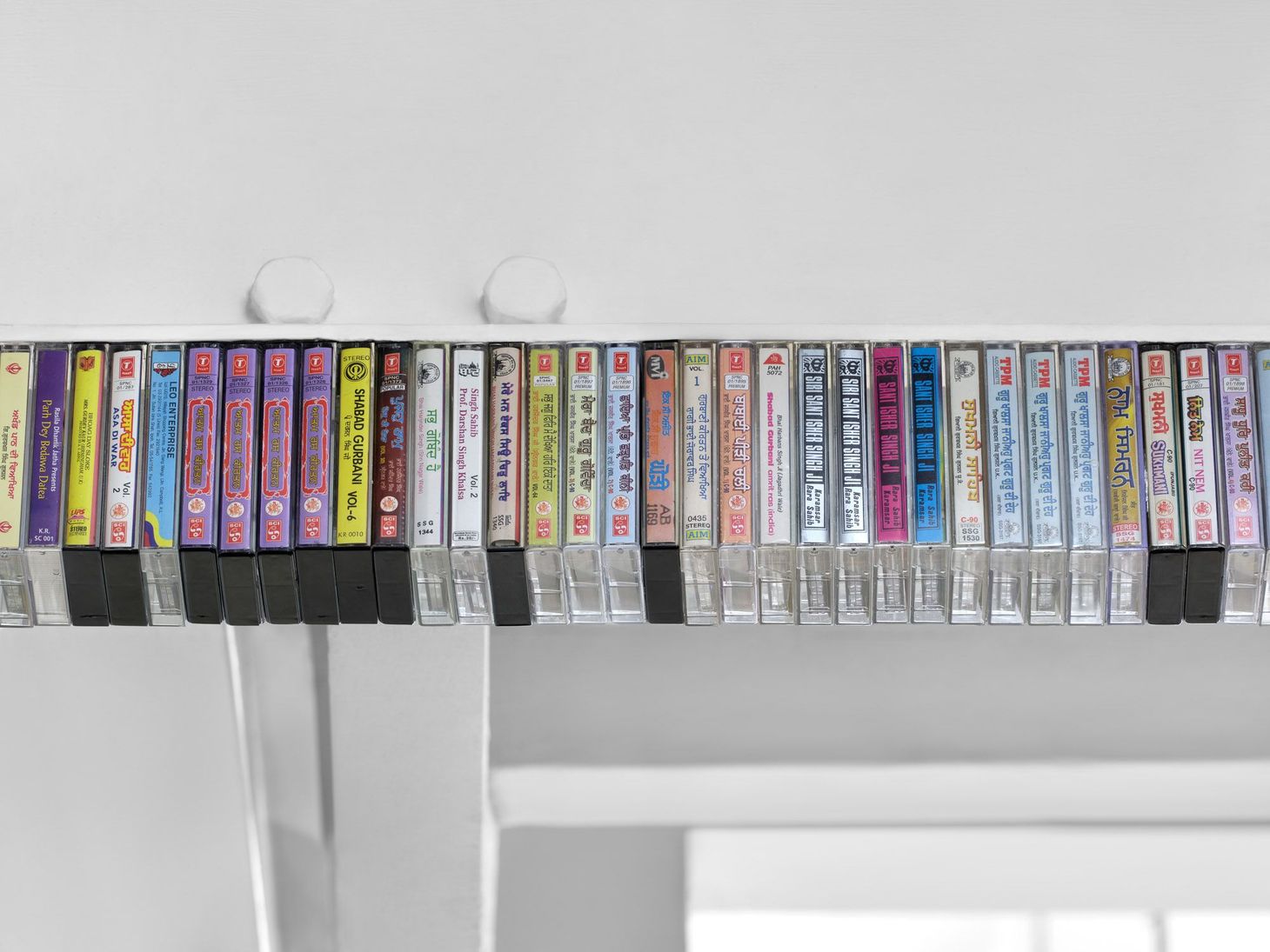
Critics use words like generosity and courage when they speak of Kaur’s approach. Her sculptures and images tell a more interior and indigenous story, speaking a code to a community too long underrepresented in British art. It offers us a taste of the bitterness of archival silence; it shows us what it means to survive with compassion, even when one is minoritised in one’s own country. For those on the outside, the code operates as mysterious incentive to understand historical meaning and its present implications. Through flickering illuminations and the juxtaposition of everyday objects—a process she has called “cobbling,” “bodging,” or “a cut-and-paste approach”—Kaur evokes the bittersweet intersection of class and religion, of everyday habit and political violence. In her piece Meso (2025), lace curtains are embroidered with JCB diggers. Contemplating this fragile veil she constructs between what we want to see, and what we know, we feel collective trauma webbed like delicate embroidery on the mundanity of our domestic lives. Here, so powerfully evoked, is everyday surveillance and material fragility; here is the force and insidiousness of state brutality, in India, the land of our parents’ birth; in Palestine, for which Jasleen Kaur constantly advocates. I look through this domestic lace, the ultimate representation of class in the United Kingdom, and see the demolition of Muslim homes and neighbourhoods. There is a sense that while we do nothing but watch, safe and nice from our windows, violence continues at the highest levels of politics, on the streets just beyond that lace, and inside homes, in bodies, in minds.
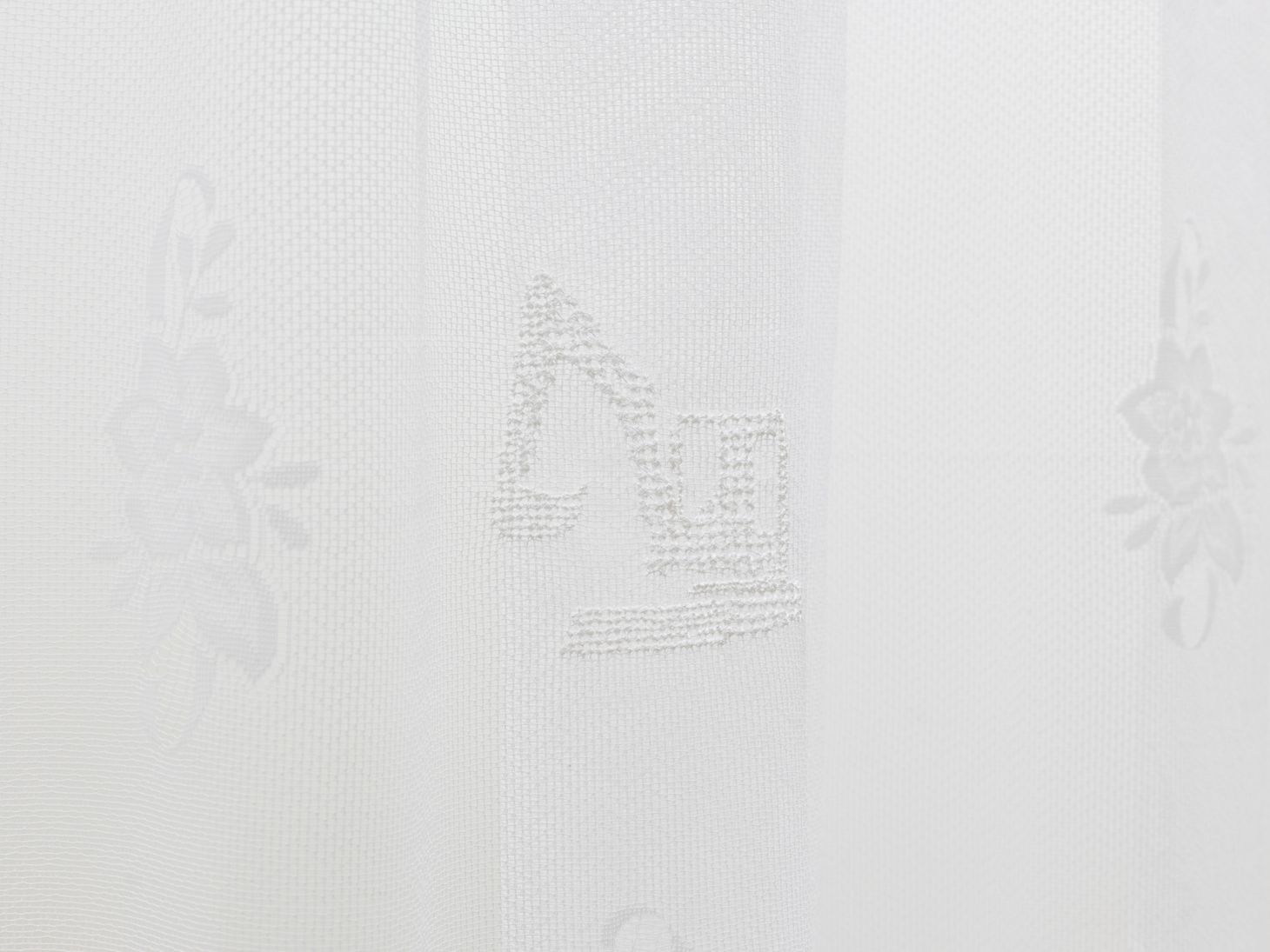
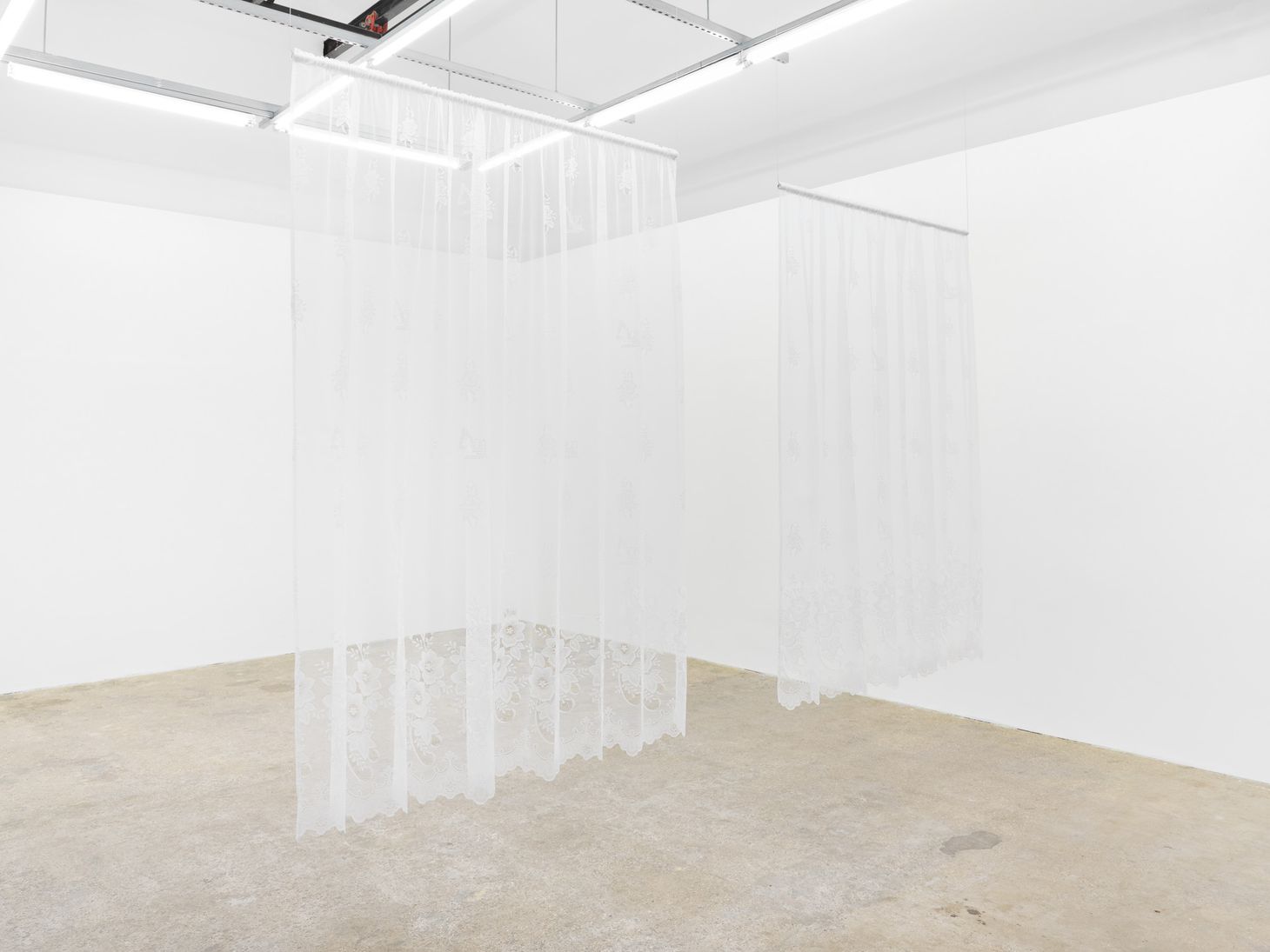
The motif of the digger in embroidery speaks also of regeneration and its possibilities, and this is an important part of the politics of Kaur’s work. In building community presence through objects and images, Kaur’s art memorialises the losses and celebrates the gains of living in a country as an “other.” She asks us to contemplate what remains of the things people hold dear, and it is her determination in asking this question that makes each piece so compelling, so lasting in the imagination. With her singular ability to transform the emotional essence invested in objects, she forms new modes of understanding our lives across time, through lines of religion, gender, and language. She urges us toward more honest and hopeful ideas of care.
Jasleen Kaur
Jasleen Kaur’s solo exhibitions include Boomerang, Hollybush Gardens, London; Alter Altar, Tramway, Glasgow; Flesh ‘n’ Blood, Humber Street Gallery, Hull; Gut Feelings Meri Jaan, Touchstones Rochdale; and Be Like Teflon, Glasgow Women’s Library. Her work is held in the Arts Council Collection, London; Crafts Council Collection, London; Fenix Museum, Rotterdam; Touchstones Rochdale; National Galleries of Scotland; and other public collections. Kaur is the winner of the 2024 Turner Prize and the 2021 Paul Hamlyn Artist Award. In 2025, she was awarded an honorary doctorate by the Glasgow School of Art. She lives and works in London. (updated 10/2026)